


Sustainability at the BFA
Practical progress for real florist businesses.
Sustainability matters to florists, customers and the future of the industry. The BFA supports informed, commercially viable choices that balance environmental responsibility with the realities of running a florist business.
Our approach
Evidence-led, inclusive and grounded in day-to-day floristry.
The UK floristry industry is diverse. Businesses vary in size, location, seasonality, customer base and resources, so a single definition of sustainable floristry does not reflect how the trade actually works.
Responsible sourcing
Consider UK-grown and imported flowers, seasonality, supply chains and the evidence behind sourcing decisions.
Materials and mechanics
Look at waste, mechanics, packaging and practical ways to reduce unnecessary material use.
Waste, energy and transport
Support realistic improvements across the whole florist operation, not just the finished design.
Clear customer communication
Help florists talk responsibly about sustainability without oversimplifying or lecturing customers.
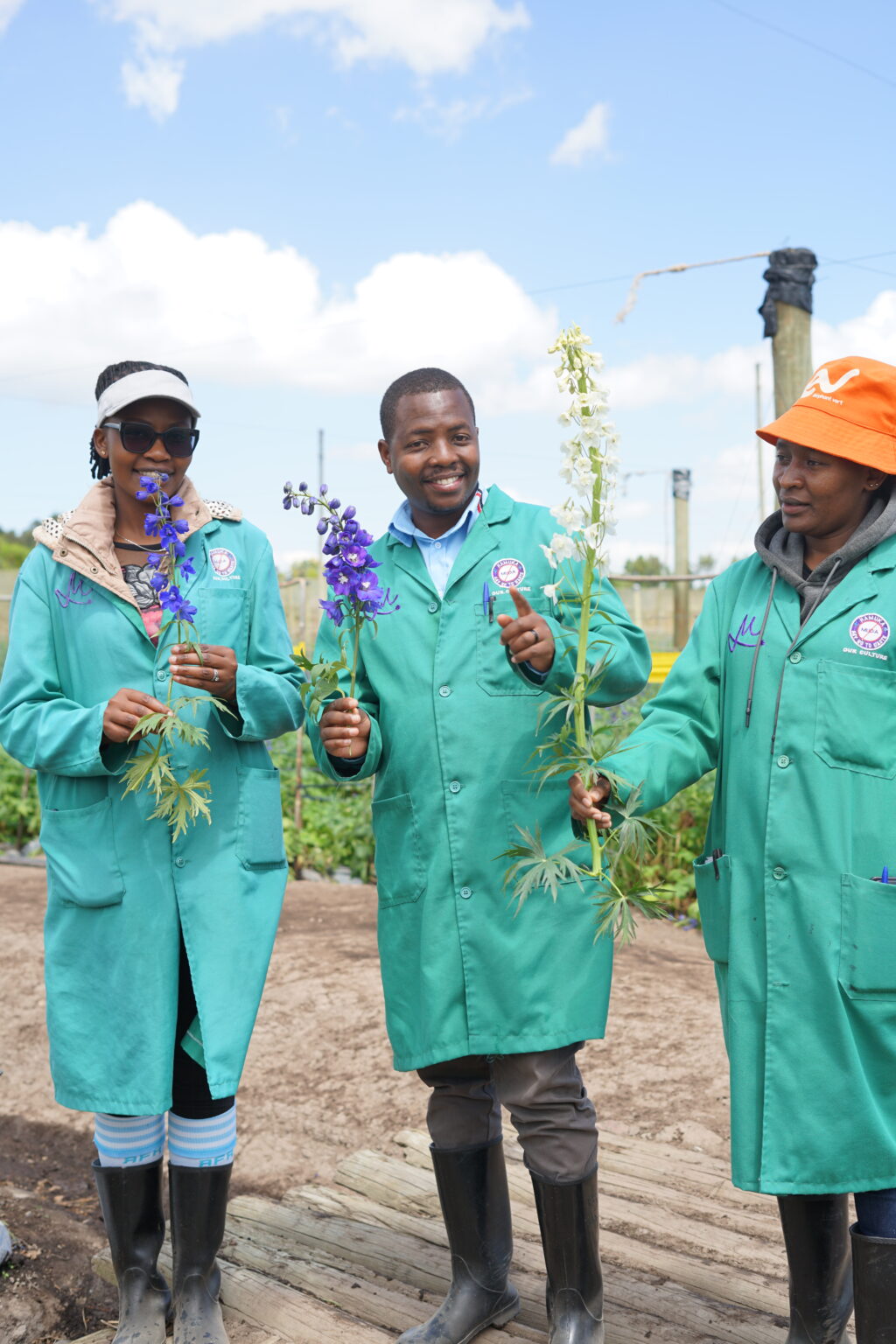
From farm to florist
Understand the whole supply chain.
The BFA sustainability work looks beyond simple labels. First-hand insight into growing, production, transport and florist practice helps build guidance that reflects the complexity of the flower industry.
Learning from florists
We want practical experience from businesses already making changes.
The BFA wants to hear from florists reducing waste, reviewing mechanics and materials, using responsibly grown flowers, trialling reuse or return schemes, and finding better ways to communicate sustainability with customers.
Sustainability News
Current BFA articles covering sourcing, materials, waste, pricing and industry developments.
Plastics, packaging and waste
Explore the BFA’s 2024 PPW resource for practical sustainability ideas. Packaging law has continued to develop, so use current government guidance for compliance.
Share your experience
Help shape BFA guidance by contributing practical insight from your own florist business.
A note from Jamie Grant – BFA Director
Commercial reality has to be part of the sustainability conversation.
I have spent my career balancing creativity with commercial reality across retail, weddings and events. My interest in sustainability is rooted in day-to-day floristry – thoughtful sourcing, reduced waste and practical improvement while remaining viable year-round.
Progress happens when environmental responsibility and commercial sense work together, helping florists make better choices without undermining their businesses or livelihoods.
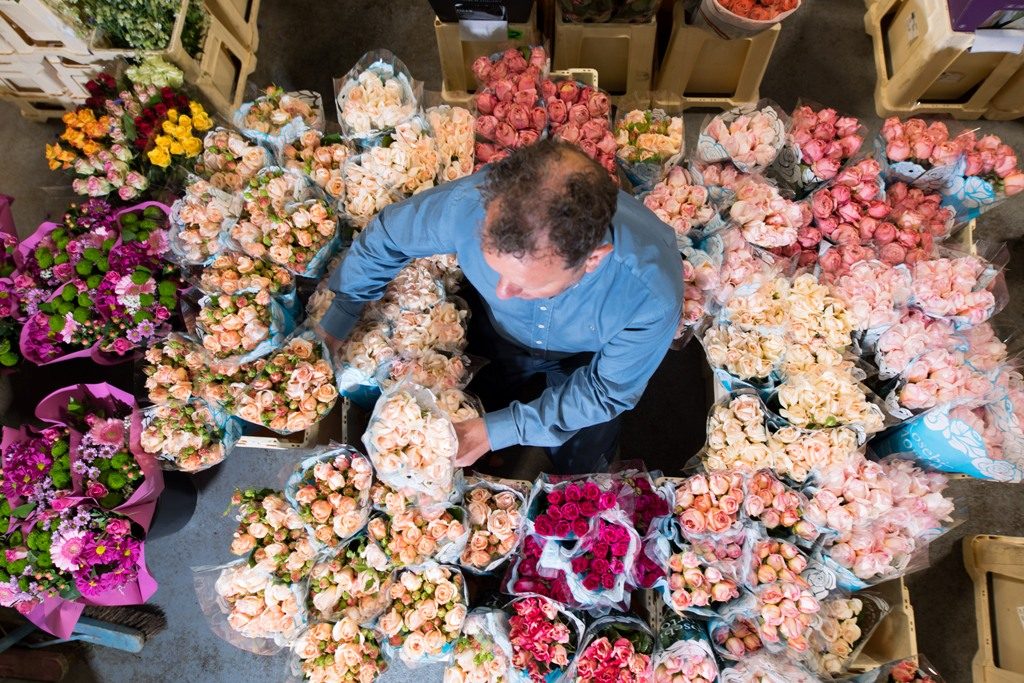
Help shape practical sustainability guidance.
If you have experience, insight or examples that could help other florists, the BFA would like to hear from you.
